
 Dubai Property News
How Dubai’s Financial and Real Estate Market Works: Complete Guide 2025
How Dubai’s Financial and Real Estate Market Works: A Complete Guide (2025)
Dubai has transformed into one of the world’s most powerful financial and real estate hubs. Behind its skyscrapers and iconic developments lies a highly organized system that attracts millions of investors each year. Understanding how Dubai’s financial and real estate markets work helps investors, buyers, and business owners make smart decisions.
This guide explains the structure, systems, regulations, financial setup, investment methods, and market behavior of Dubai’s finance and property sectors.
Overview of Dubai’s Financial Ecosystem
Dubai’s financial market is built on a foundation of transparency, innovation, and global standards. It includes:
Main Financial Authorities
- Dubai Financial Market (DFM)
- NASDAQ Dubai
- Dubai International Financial Centre (DIFC)
- Securities and Commodities Authority (SCA)
- UAE Central Bank
These institutions manage banking activities, stock trading, investments, and corporate regulations.

Dubai Financial Market (DFM): How It Works
The Dubai Financial Market is one of the most active stock exchanges in the Middle East.
How the DFM Operates
- Companies list their shares on the exchange.
- Investors buy and sell shares through licensed brokers.
- Price changes depend on demand, supply, company performance, and global conditions.
- 100% foreign investor participation allowed.
- Regulated by SCA ensuring maximum transparency.
Types of Companies Listed
- Real Estate Developers (Emaar, Damac)
- Banks (Emirates NBD, DIB)
- Telecom (Du)
- Utilities (DEWA)
- Insurance companies
- Logistics & Transport
Why DFM Attracts Investors
- Tax-free dividends
- Low entry cost
- Strong liquidity
- International investor access
- Safe and regulated trading
NASDAQ Dubai: Gateway to Global Capital
NASDAQ Dubai allows international companies and investors to trade freely.
Features
- Operates under DIFC laws
- Allows trading in multiple currencies
- Listed products include:
- Shares
- Sukuk (Islamic bonds)
- Government bonds
- ETFs
- REITs
Why It Matters
It connects Dubai with Europe, Asia, Africa, and North America making it a global financial bridge.

Dubai International Financial Centre (DIFC)
DIFC is one of the top 10 financial hubs in the world.
What Makes DIFC Special
- Independent judicial system based on English law
- Zero tax on income & profits
- 100% foreign ownership
- Headquarters for global banks, hedge funds, and investment firms
- Hub for FinTech startups
Key Areas Inside DIFC
- Private equity
- Wealth management
- Blockchain & Web3
- Insurance
- Investment banking

How Dubai’s Banking System Supports Real Estate Growth
Dubai’s banking sector plays an essential role in financing property development.
Mortgage Structure
Banks offer:
- Home loans
- Non-resident mortgages
- Buy-to-let loans
- Commercial property finance
Down Payment Requirements
- UAE Residents: 20%–25%
- Non-residents: 30%–40%
- Off-plan property: Developer payment plans
Mortgage Interest Rates
Typically between 3.5%–5% depending on:
- Applicant income
- Credit score
- Bank policy
- Loan tenure
Structure of Dubai Real Estate Market
Dubai’s real estate industry is known for its transparency and investor protection.
Key Real Estate Entities
- Dubai Land Department (DLD)
- RERA (Real Estate Regulatory Agency)
- Developers (Emaar, Damac, Sobha, Nakheel)
- Real estate brokers
- Property management companies

What Dubai Land Department (DLD) Does
DLD controls all property-related processes.
Responsibilities
- Registration of property transactions
- Issuing Title Deeds
- Property valuations
- Approving NOCs
- Maintaining property database
- Running Oqood & Ejari systems
DLD Digital Services
- Oqood – Off-plan property registration
- Ejari – Rental contract registration
- Dubai REST App – Transaction services
- Title Deed digital issuance
RERA: Real Estate Regulatory Agency
RERA ensures investor safety through strict regulations.
RERA Functions
- Licensing brokers & agencies
- Regulating developers
- Monitoring escrow accounts
- Controlling rental laws
- Ensuring project completion timelines
Investor Protection Laws
- Developers must use escrow accounts
- Buyers get construction-linked payment system
- No unapproved projects allowed
- Oqood makes off-plan property secure

How Off-Plan Market Works in Dubai
Dubai is famous for its off-plan investment model.
Steps in Off-Plan Purchase
- Select the project
- Pay booking amount
- Register in Oqood
- Pay through a payment plan (10%–80%)
- Completion & handover
- Get Title Deed
Benefits of Off-Plan
- Low entry cost
- Easy monthly plans
- Capital appreciation
- High ROI after handover
Risk Control
RERA ensures:
- Escrow account protection
- Construction monitoring
- Penalties for delays
Ready Property Market: How It Works
Ready properties are fully completed units with immediate rental income.
Steps to Buy Ready Property
- Property selection
- Price negotiation
- Sign Form F (Agreement)
- Bank valuation (if mortgage)
- NOC from developer
- Final transfer at DLD
- Receive Title Deed
Benefits
- Instant rental income
- Immediate move-in
- Clear market value
- Easy resale

Dubai Rental Market & Ejari System
Dubai’s rental sector is one of the most organized in the world.
Ejari Registration
- All rental contracts must be registered
- Protects tenant & landlord
- Controls rent increase
RERA Rental Index
- Annual rent increase regulated
- Landlord cannot raise rent randomly
- Increase allowed only if current rent is lower than market rent
Property Investment Options in Dubai
Residential
- Apartments
- Villas
- Townhouses
Commercial
- Offices
- Retail shops
- Warehouses
REITs
- Low-risk investment
- Monthly dividends
- No need to buy a property physically
Holiday Homes
- High demand from tourists
- 10%–15% yearly ROI
Why Dubai Attracts Global Real Estate Investors
Investor-Friendly Features
- No property tax
- No capital gains tax
- 100% foreign ownership
- Golden Visa on property investment
- High rental yields
ROI Comparison
| City | ROI |
|---|---|
| Dubai | 6–10% |
| London | 2–3% |
| New York | 3–4% |
| Singapore | 2–3% |
Dubai leads globally with unbeatable rental returns.
Future Trends of Dubai Real Estate & Finance (2025–2030)
Expected Developments
- More AI-driven transactions
- Blockchain-based digital title deeds
- Expansion of Palm Jebel Ali
- Dubai Islands mega projects
- Smart city integration
- Increased foreign investment
Market Stability
Dubai maintains:
- Strong investor protection laws
- Global financial connections
- High economic growth
- Safe investment climate

Final Conclusion
Dubai’s financial and real estate markets work with a high level of organization, transparency, and modern systems. With institutions like DFM, DIFC, DLD, and RERA, investors enjoy safe and profitable opportunities. From off-plan projects to ready properties, from stock markets to REITs, Dubai offers a complete ecosystem for high-return investments.
Whether you are a buyer, seller, investor, or developer — Dubai remains one of the safest, strongest, and most rewarding markets in the world.
 Dubai Property News
Dubai Infrastructure: A Complete Guide to Roads, Transport, Mega Projects & Smart City Development (2025)
Introduction: How Infrastructure Built Modern Dubai
Dubai’s success is not accidental; it is the result of long-term planning, visionary leadership, and continuous investment in large-scale infrastructure. Starting from the early 2000s to 2025, Dubai’s infrastructure development has played a key role in:
- Enhancing global connectivity
- Boosting tourism
- Supporting business and trade
- Attracting foreign investment
- Improving quality of life
Today, Dubai ranks among the top cities in global competitiveness, logistics, and smart urban design.
Dubai’s Road Network: One of the World’s Most Advanced
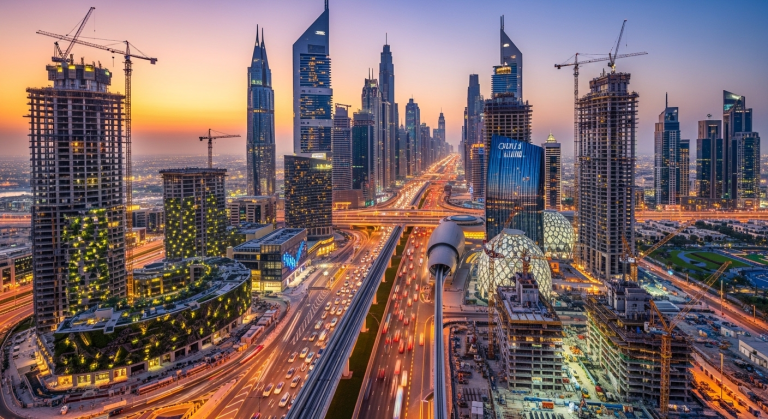
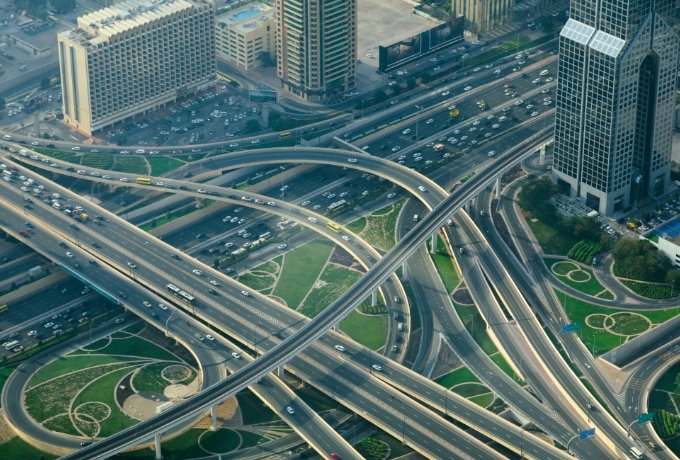
Dubai’s road infrastructure is famous for its smooth connectivity, modern design, and world-class engineering. Every year, the Roads and Transport Authority (RTA) expands the network to match population growth.
Key Points About Dubai’s Road System
- Over 18,000 km of road networks
- Multi-lane highways such as Sheikh Zayed Road and Al Khail Road
- Intelligent Traffic Management Systems (ITS)
- Smart parking, toll gates, and automated monitoring
- Dedicated cycling tracks and pedestrian bridges
Major Highways in Dubai
A. Sheikh Zayed Road
Dubai’s backbone, connecting:
- Dubai to Abu Dhabi
- Residential communities
- Business districts
- Free zones
B. Al Khail Road
A high-speed route easing traffic from Business Bay to the outer regions.
C. Emirates Road
A major logistics corridor that reduces city center congestion.
Infrastructure Innovations
- Smart signals that adjust timings automatically
- AI-powered traffic monitoring
- Real-time traffic information through apps and signboards
Dubai Metro: The Heart of Public Transportation
The Dubai Metro is one of the cleanest and most efficient driverless metros in the world.
Key Features
- Fully automated, driverless trains
- Red and Green lines covering major districts
- Route 2020 extension built for Expo 2020
- Smart stations with WiFi and digital services
- Over 700,000 daily passengers
Future Plans
- Blue Line (announced 2023–2024)
- More autonomous metro technology
- Station expansions due to population growth
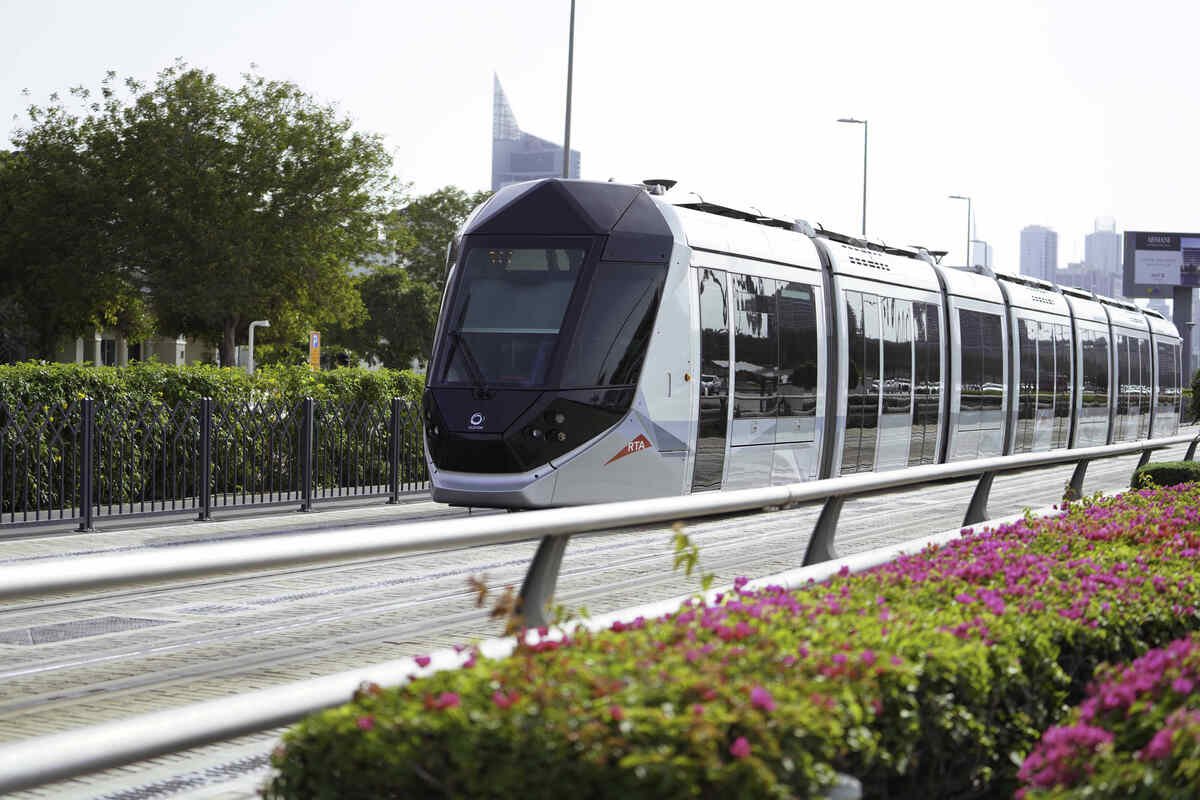
Dubai Tram and Bus System: Smooth Intra-City Mobility
Dubai Tram Highlights
- Connects Dubai Marina, JBR, and Al Sufouh
- Integrated with metro and Palm Monorail
- Uses ground-level power (no overhead wires)
Dubai Bus Network
- Air-conditioned bus stops
- Over 150+ routes
- Smart tracking and route planning
- Electric and hybrid buses introduced by RTA
Airports: Dubai as a Global Aviation Hub
Dubai’s airports are among the busiest in the world.
A. Dubai International Airport (DXB)
- World’s busiest airport for international travelers
- 90M+ passenger capacity
- Three major terminals
- Home of Emirates Airlines
B. Al Maktoum International Airport (DWC)
Located in Dubai South, designed to be:
- The largest airport in the world when fully completed
- Capacity: up to 260M passengers annually
- Key cargo hub
Expansion Plans
- New terminals
- Automated baggage systems
- Advanced passenger mobility systems

Dubai Ports & Logistics: A Global Trade Powerhouse
Dubai is a strategic trade gateway between Asia, Europe, and Africa.
Key Ports
A. Jebel Ali Port
- Largest man-made port
- Top 10 busiest ports globally
- Over 135M TEU annual capacity
- Integrated with free zones
B. Port Rashid
- Major cruise terminal
- Boosts Dubai tourism
Logistics Highlights
- Smart customs
- Dubai Logistics Corridor
- Integration with DWC Airport
Mega Projects That Transformed Dubai
Dubai is known for groundbreaking mega projects that challenge global engineering norms.
1. Burj Khalifa
- Tallest building in the world
- 828 meters
- Icon of Dubai’s engineering excellence
2. Palm Jumeirah
- World’s largest man-made island
- Advanced coastal engineering
- Luxury hotels, villas, and transport links
3. Dubai Creek Harbour
- Home of the upcoming Dubai Creek Tower
- Advanced eco-friendly infrastructure
4. Mohammed Bin Rashid City
A massive mixed-use development with modern roads, parks, and waterways.
5. Dubai Water Canal
- Transformed the city’s landscape
- Added 12 km of waterfront
6. Expo City Dubai
- Designed as a sustainable smart city
- Clean mobility, solar energy, green infrastructure
Smart Infrastructure: Dubai’s Digital Transformation
Dubai is moving toward becoming a fully integrated smart city powered by AI, IoT, and automation.
Smart Infrastructure Highlights
- 5G-ready city
- AI traffic systems
- Paperless government (Dubai Paperless Strategy)
- Smart energy grids
- Drone and robot-assisted monitoring
Smart Dubai 2025 Goals
- 100% digital services
- Autonomous transport
- Smart homes and buildings
- Zero emissions mobility
Water, Electricity & Sustainability Infrastructure
Dubai’s infrastructure includes strong environmental initiatives.
Dubai Electricity & Water Authority (DEWA)
- Smart meters across all homes
- Solar energy integration
- Mohammed Bin Rashid Solar Park (world’s largest single-site park)
Sustainability Projects
- Green buildings
- Waste-to-energy plants
- Electric vehicle charging stations
- Water desalination plants

Social Infrastructure: Schools, Hospitals & Public Safety
Dubai’s social infrastructure is one of the best in the region.
Schools
- Over 200+ international schools
- UK, US, IB, and Indian curricula
Hospitals
- World-class healthcare systems
- Telemedicine
- AI diagnostics
Safety Infrastructure
- Smart police stations
- Traffic control centers
- Emergency response systems

Tourism Infrastructure: Why Millions Visit Dubai
Dubai invests heavily in tourism-supporting infrastructure.
Key Features
- Hotels & resorts
- Theme parks
- Malls (Dubai Mall, Mall of the Emirates)
- Cultural landmarks (Museum of the Future)
- Integrated transport systems for visitors
Future of Dubai Infrastructure (2025–2040)
Dubai continues to push limits with future-ready infrastructure plans.
Upcoming Developments
- Autonomous public transport
- AI-managed smart districts
- Expansion of road and metro lines
- Green economy infrastructure
- The Line extension (Urban vertical city concepts)
Dubai aims to be one of the world’s most connected, sustainable, and intelligent cities.

 Dubai Property News
UAE Real Estate History (2001–2025): Market Boom, Crash & Recovery
The UAE Real Estate Boom (2001–2008)
The early 2000s marked the beginning of a new world for UAE real estate. Before 2001, Dubai and Abu Dhabi were growing, but nothing compared to the revolutionary changes that would soon reshape the region. The landscape consisted mostly of mid-scale residential buildings, government-led projects, and limited private development. The idea of foreigners owning property was still new, viewed with caution, and mostly restricted. But everything changed in 2001, when the UAE leadership introduced long-term lease options for foreigners — a move that sparked global curiosity.
However, the real turning point came in 2002, when Dubai introduced freehold property ownership for expatriates. This was unprecedented in the Gulf region. Suddenly, foreigners could own villas and apartments in iconic new communities like The Greens, Dubai Marina, Emirates Hills, and the rapidly developing Palm Jumeirah. The announcement triggered a wave of international excitement. Investors from Europe, India, Pakistan, Russia, the Middle East, and Africa began exploring Dubai as a new frontier for real estate investment.
This was not just policy—it was vision.

Developers like Emaar and Nakheel seized the moment. Emaar launched Downtown Dubai, a mega-masterpiece featuring the Burj Khalifa, Dubai Mall, and the world’s most impressive urban architecture. Nakheel pursued one of the boldest ideas in real estate history: the Palm Jumeirah, a man-made island shaped like a palm tree. These projects positioned Dubai as a city of imagination, innovation, and limitless ambition.
By 2004–2005, the real estate boom was accelerating. Off-plan sales became the most popular buying strategy in the UAE. Investors would pay a small down payment, secure a yet-to-be-built property, and sell it for profit before its completion. Confidence soared. The UAE became one of the top global destinations for real estate investment. Expats moved to Dubai in record numbers, driven by tax-free income, luxury living, and global connectivity.
Infrastructure development supported the boom. Dubai International Airport expanded rapidly. New free zones, such as Dubai Internet City, Media City, and Jebel Ali Free Zone, attracted thousands of companies. Tourism also grew exponentially, supported by luxury hotels, shopping malls, and waterfront attractions.
By 2007–2008, property prices in Dubai had doubled and even tripled in certain areas. Investors were making high returns in very short periods. The market was full of international buyers eager to enter the UAE’s golden opportunity. The real estate sector accounted for a huge share of economic growth, employment, and foreign investment flow.
However, behind the scenes, cracks were forming.
Speculative buying began to dominate. Developers launched too many projects too quickly. Banks offered easy financing. Flipping rather than long-term investment became a trend. Prices were rising faster than incomes, and supply pipelines became overloaded.
Still, the optimism remained unstoppable — until 2008, when a global financial storm shook the world. This marked the end of the UAE’s golden growth era and the beginning of an unprecedented trial: the market crash that would redefine the industry.
The Market Crash (2008–2011)
(~2000 Words)
The 2008 global financial crisis was the single most disruptive event in modern economic history — and the UAE real estate market felt its full impact. When major U.S. financial institutions collapsed, global liquidity dried up. Investors withdrew money from emerging markets, credit tightened, and confidence vanished almost overnight.
Dubai, deeply interconnected with global investment flows, experienced a swift and painful correction. Property prices in many areas fell 40–60% within months. Off-plan investors defaulted on payments. Developers paused projects. Construction companies downsized. What had been one of the fastest-growing markets in the world became one of the hardest hit.
The psychological shock was intense. The same investors who once celebrated double-digit annual returns now faced heavy losses. International media amplified the situation, with exaggerated headlines suggesting dramatic collapse. But despite the pressure, the UAE did not fall — it fought back.
Government leadership took decisive action. The establishment of RERA (Real Estate Regulatory Agency) in 2007 became critical after the crash. RERA implemented escrow laws preventing misuse of investor funds, introduced strict project-registration requirements, and enforced transparency standards that had never existed before.
The Dubai Land Department strengthened regulatory oversight. Developers shifted focus from fast launches to project completion. End-users began replacing speculators as the primary buyers. Rental prices corrected, making homes more affordable for residents.
Abu Dhabi, supported by strong oil revenues, helped stabilize the broader UAE economy. Large-scale government-funded infrastructure projects continued, ensuring economic activity did not collapse.
By 2010–2011, early signs of stabilization began appearing. Dubai Metro launched in 2009, proving the city’s long-term vision was intact. Tourism gradually returned. Construction of major communities resumed. Confidence, though damaged, began to rebuild.
The crash had reshaped the market — but ultimately made it smarter, safer, and more regulated. This transformation laid the groundwork for a new era: the market’s remarkable recovery and resurgence in the years that followed.
The Market Recovery (2012–2025)

From 2012 onward, the UAE real estate market experienced one of the most impressive recoveries in global property history. Communities like Dubai Marina, JLT, Downtown Dubai, and Arabian Ranches have matured into fully functional, desired neighborhoods. Completed infrastructure and global-grade amenities improved livability, attracting long-term residents and foreign investors.
A major turning point came in 2013, when Dubai won the bid to host Expo 2020. The announcement re-ignited global interest, driving transactions and strengthening market confidence. Property values began climbing again, especially in communities near key infrastructure developments.
From 2014 to 2017, the market transitioned into a balanced growth phase. However, from 2017 to 2020, oversupply and lower oil prices caused a gradual correction. Developers adjusted strategies by offering flexible payment plans, affordable housing, and sustainable community designs.
Then came 2020 — a year the world will never forget.
The COVID-19 pandemic initially caused uncertainty, but the UAE’s swift response transformed the crisis into an opportunity. Rapid vaccination, business stability, and excellent global connectivity attracted investors, remote workers, and high-net-worth individuals.
This triggered the 2021–2023 real estate boom:
- Record-breaking property transactions
- Rising demand for villas and townhouses
- European, Russian, Chinese, and GCC investors are flooding the market.
- The rise of smart homes and sustainable communities
- Golden Visa programs reward property buyers.
- Waterfront and branded residences are becoming global favorites.
Dubai overtook major global cities like London, Miami, and Singapore in luxury property growth. Abu Dhabi’s Saadiyat Island, Reem Island, and Yas Island gained worldwide attention.
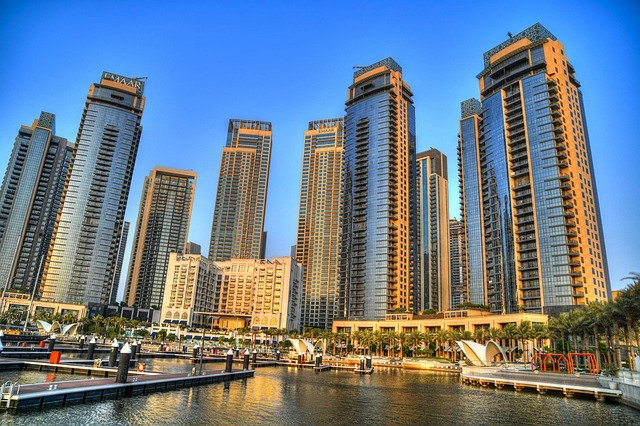
By 2024–2025, the UAE real estate sector will have matured into a transparent, stable, globally respected investment destination. Strong regulations, long-term residency programs, and a focus on innovation ensured sustainable growth. New master communities like Dubai Creek Harbour, Dubai South, and Tilal Al Ghaf embraced green urban planning and next-generation smart technologies.
The UAE had completed one of the world’s most inspiring journeys — from desert beginnings to global real estate dominance.
 America Property News
Title: Beyond Investment: How Dubai Properties Become Family Legacies
Beyond Investment: How Dubai Properties Become Family Legacies
In Dubai, properties are often bought for smart financial growth. But with time, something deeper happens. A house becomes a memory, an apartment becomes a milestone, and a villa becomes a family heritage. What starts as an investment slowly turns into a legacy — something parents hope to pass down, and children hope to protect.
Dubai’s skyline is full of iconic towers and world-class communities, but behind every home is a story of dreams, sacrifices, achievements, and long-term hope. This is why property investment in Dubai is not just a business decision — it is a mark of belonging and a gift for the next generation.
Let’s explore the emotional and cultural meaning behind building family legacies through Dubai real estate.
1. The Emotional Meaning of Buying a Home in Dubai
For many families, buying a property in Dubai is a life milestone. It reflects years of hard work, courage, and faith in the city’s future.
A first home often symbolizes:
- Stability in a fast-moving world
- Security for children
- A permanent connection to the UAE
- A sense of achievement in an international city
Parents feel proud knowing they’ve built a safe space for their family — a place where memories will grow. Over time, that home isn’t just a purchase. It becomes part of the family’s identity.
2. Family Homes: Where Generations Build Their Stories
In communities like Arabian Ranches, Jumeirah Village, Dubai Hills, and The Springs, many families have lived in the same villa for 10–15 years. Children grew up there. Milestones were celebrated there.
A family home in Dubai becomes the center for:
- Friday gatherings
- Ramadan nights
- School mornings
- First steps
- Graduations
- Farewell and welcome moments
Over time, these memories create emotional roots. This is how a simple house turns into a family legacy — something you want your children and grandchildren to inherit because it carries the love and history of your family.
3. Why Dubai Properties Are Perfect for Long-Term Generational Wealth
Families in Dubai choose real estate as a long-term legacy because the city offers:
✔ Strong Appreciation
Dubai property values often rise due to consistent demand, tourism growth, and major developments.
✔ High Rental Yields
Families keep properties even after relocating because renting them out provides stable passive income.
✔ Safe + Well-Regulated Market
Dubai’s laws protect buyers, sellers, and investors, making long-term ownership secure.
✔ Global Reputation
Owning property in Dubai is seen as a sign of success and financial intelligence worldwide.
For many parents, giving their children a property in Dubai is giving them an advantage — financial stability, rental income, or a place to live in one of the safest cities in the world.
4. Cultural Values: Why Legacy Matters in Emirati & Expat Families
In the UAE, family legacy is a deeply respected tradition.
🇦🇪 For Emirati families:
Homes represent heritage, dignity, and continuity. Even as Dubai modernizes, holding on to family properties is a sign of honoring ancestors and preserving identity.
For expat families:
Dubai property often becomes their “anchor” — a permanent part of their journey abroad. Even if they move to another country later, their Dubai home remains a symbol of their success.
Both groups share one belief: a home is not just a structure — it’s a legacy built with dreams and passed down with pride.
5. Inheritance & The Future of Real Estate in Dubai
Many families plan early for real estate inheritance in Dubai, ensuring their children have:
- A secure asset
- A place to live or rent
- A foundation for their financial future
Dubai offers clear laws and systems that help families create smooth inheritance plans, making it easier to protect generational wealth.
Proper planning ensures that homes remain within the family for decades — becoming part of a long-lasting family tree.
6. Emotional Security: A Home Children Never Forget
Children often remember the homes they grew up in — the smell of the kitchen, the balcony where they studied, the garden where they played.
As adults, they attach deep emotional meaning to the home their parents leave behind.
That emotional safety becomes part of the legacy. It’s not just about money — it’s about carrying forward the story of where your family grew strong.
7. A Dubai Home: A Gift for the Next Generation
Parents who invest in Dubai property often say they are doing it for their children. They want to leave something that lasts longer than time — something that can continue to grow and support the next generation.
A home in Dubai offers future generations:
- A valuable asset
- A connection to the UAE
- A sense of roots in a global city
- A financially strong foundation
This is why Dubai homes are more than investments — they are a family’s promise to the future.
8. Legacy Lives in Walls — But Also in the Values Passed Down
A property legacy is not just about bricks and land. It’s about the values families want to preserve:
- Hard work
- Stability
- Belonging
- Dreams
- Financial wisdom
- Love
When parents pass down a Dubai property, they’re not just giving an asset — they’re giving the story of how the family grew, struggled, and succeeded together.
Conclusion: From Investment to Legacy
At first, you buy a property in Dubai to grow your wealth. But over the years, that wealth grows into something deeper — a legacy filled with memories, values, and pride.
A Dubai home becomes more than a return on investment. It becomes a gift passed from one generation to the next — a symbol of strength and a reminder that families grow, but their roots remain.
This is the true beauty of family homes in the UAE — they hold yesterday’s memories, today’s comforts, and tomorrow’s security.
 Dubai Property News
The First Home in Dubai: A Dream Every Expat Wants to Call Their Own
🌆 Introduction: From Visitors to Believers
Every great story in Dubai starts the same way — with a dream.
For many expats, what begins as a short work assignment or a leap of faith soon turns into something deeper. The city’s skyline, its safety, its opportunities — all pull you in until Dubai no longer feels like a stopover. It feels like home.
And for thousands of people every year, that feeling becomes real when they finally buy their first property in Dubai. The excitement of unlocking the door for the first time, the pride of ownership, and the comfort of having a space that’s truly yours — it’s an emotional milestone that marks the beginning of belonging.
Buying your first home in Dubai isn’t just about real estate; it’s about identity, trust, and a promise to yourself — that you’ve made it.
🏙️ Dubai: The City That Turns Dreams into Addresses
Dubai has always been a city of ambition — a place where people from over 200 nationalities come to work, build, and dream. But beyond the glamour and growth, there’s something deeply personal about owning a home here.
The government’s open investment policies, strong economy, and visionary planning have made it one of the safest and most rewarding places to buy property in the UAE. With freehold zones available to foreigners, expats can now own villas, apartments, or townhouses in world-class communities like:
- Downtown Dubai – for city lovers who want to wake up to Burj Khalifa views.
- Dubai Hills Estate – for families seeking peace, greenery, and modern living.
- Jumeirah Village Circle (JVC) – perfect for first-time buyers with affordable options.
- Dubai Marina & Palm Jumeirah – for those who dream of waterfront lifestyles.
Each area offers more than a property — it offers a story. A story of stability, independence, and connection to Dubai’s evolving lifestyle.
💭 The Emotional Side: The First Key, The First Step
Ask anyone who’s bought their first home in Dubai, and they’ll tell you — it’s not just paperwork and payments. It’s personal.
You remember the first viewing, the scent of the new walls, and the echo in the empty living room before the furniture arrives. You imagine family dinners, quiet mornings, and friends gathered on weekends. You realize that this home is no longer just a space — it’s a reflection of your hard work and hope.
For expats, this moment often carries even deeper meaning. After years of renting and moving, owning a home finally brings a sense of permanence in a city that once felt temporary.
“When I got my keys, I felt like I wasn’t just living in Dubai anymore — I was part of it.”
— Sarah M., British Expat in Dubai Hills
💰 Buying Property in Dubai: What Makes It Possible
One of the most empowering aspects of the Dubai real estate market is accessibility. The city has designed its property laws and financing systems to welcome international buyers.
Here’s why expats buying their first home in Dubai find it easier than expected:
- Freehold Ownership: Foreigners can legally own property in designated zones with full rights.
- Flexible Payment Plans: Developers offer post-handover payment structures for easier budgeting.
- Mortgage Options for Expats: Banks in the UAE provide financing for qualified expatriates, often with competitive rates.
- Tax-Free Investment: No annual property tax or capital gains tax — maximizing return value.
- Strong Rental Yields: For those who buy as an investment, rental returns can reach 5–8% annually.
Owning property in Dubai isn’t only an emotional goal — it’s a smart financial decision backed by stability and long-term growth.
🏠 Finding “The One”: How Expats Choose Their First Home
Everyone’s version of “home” looks different. Some buyers fall in love with a cozy studio overlooking the Marina, others dream of a family villa surrounded by palm trees in Arabian Ranches.
Here’s what most expats consider before buying their first home in Dubai:
- Location & Lifestyle: Proximity to work, schools, beaches, or malls.
- Community Feel: Whether it’s lively and urban or peaceful and family-oriented.
- Property Type: Apartment vs. villa — depending on family size and privacy needs.
- Budget & Maintenance: Monthly costs, service charges, and community facilities.
- Long-Term Goals: Will it be a forever home or an investment stepping stone?
Dubai offers something for everyone — from minimalist downtown apartments to traditional Arabic villas with courtyards and arches.
💡 The Cultural Connection: Belonging Beyond Borders
For many expats, buying a home here isn’t just a transaction — it’s a declaration of belonging. Dubai has a way of making people feel included, no matter where they come from.
In a city filled with diverse cultures, owning a home becomes a way to root yourself — to say, “This is where I’ve built my life.” It’s not uncommon to see international families celebrating Eid, Diwali, or Christmas under one roof — reflecting Dubai’s spirit of unity through diversity.
Your first home here becomes a symbol of how global dreams and local warmth coexist beautifully.
🏗️ Developers That Understand the Dream
Dubai’s leading developers — like Emaar, Damac, Nakheel, and Sobha Realty — design homes that speak to this emotional and practical balance.
Their projects are not just buildings but communities built for connection:
- Smart layouts for working professionals.
- Green spaces and playgrounds for families.
- Gyms, pools, and cafes for social living.
Every project feels like it was created for your chapter of the Dubai story — from your first apartment to your future villa.
❤️ A Moment of Pride: Turning Keys into Memories
The moment you hold your first house key in Dubai, something changes. You’re no longer just renting dreams; you’re living them.
Every corner of that home starts to carry meaning — from the kitchen where you cook your favorite dish from home, to the balcony where you watch the city lights after a long day. It’s where ambition meets emotion — the true essence of Dubai living.
For some, it’s the first step toward financial freedom. For others, it’s a promise of family and future. But for everyone, it’s a milestone — a reminder that they belong here.
🏁 Conclusion: More Than Bricks and Mortar — It’s a Feeling
Buying your first home in Dubai is more than an investment in property — it’s an investment in your story.
It’s about stability in a fast-moving world, pride in your achievements, and faith in a city that turns visions into reality. Whether it’s a studio apartment or a waterfront villa, your first home is your personal victory — proof that dreams can find an address.
And as every expat who made Dubai their home will tell you: once you’ve built your life here, it’s not just a place you live in — it’s a place that lives in you.
 Dubai Property News
Smart Homes, Smart Living: How Technology Is Redefining Dubai Lifestyle
🌇 Introduction: The Future Has Arrived in Dubai Homes
In a city that constantly pushes the limits of innovation, it’s no surprise that Dubai has become the heart of smart living. From the glittering skyline of Downtown Dubai to the serene villas of Arabian Ranches, homes across the city are embracing technology like never before.
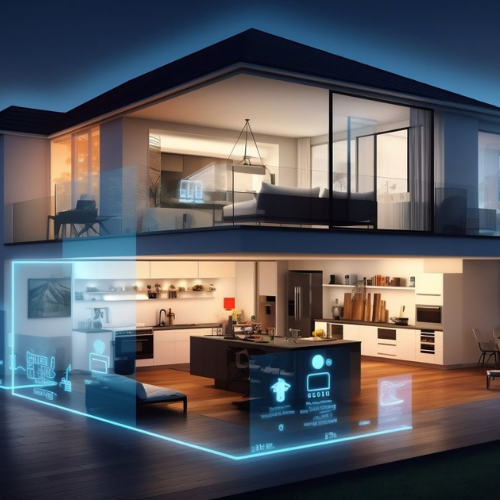
Today’s smart homes in Dubai are not just about luxury — they’re about convenience, sustainability, and peace of mind. Imagine adjusting your room’s lighting with a single voice command, checking your home’s security while traveling, or having your air conditioning automatically optimize to save energy — this is no longer futuristic fantasy. It’s everyday life for many Dubai residents.
This is the story of how innovation is redefining comfort, and how technology has turned modern living into a seamless, secure, and sustainable experience.
🏙️ Dubai: A City Built for the Future
Dubai’s transformation from desert sands to a digital metropolis is one of the most remarkable urban stories in the world. As part of the UAE Vision 2031 and the Dubai Smart City Initiative, the government aims to make Dubai the happiest and smartest city on Earth.
Smart living isn’t just a lifestyle choice here — it’s part of the city’s DNA. Whether it’s AI-powered infrastructure, sustainable energy management, or smart transportation, Dubai integrates technology into every aspect of life. And homes are at the center of that evolution.
🧠 What Exactly Is a Smart Home?
A smart home uses interconnected devices, systems, and sensors to automate everyday tasks. It’s powered by the Internet of Things (IoT) — meaning your lights, AC, curtains, entertainment system, and even kitchen appliances can “talk” to each other and respond to your preferences.
Here’s what a typical smart villa in the UAE might include:
- 🌡️ Smart thermostats that learn your schedule and adjust the temperature automatically.
- 🔐 Intelligent security systems with motion sensors, facial recognition, and real-time camera access from your smartphone.
- 💡 Smart lighting that adapts to natural light and mood.
- 🎵 Voice-controlled entertainment for music, movies, and ambience.
- ⚡ Energy management systems that track consumption and reduce waste.
In Dubai, this technology doesn’t just make homes modern — it makes them alive.
🌿 Sustainability Meets Innovation
Dubai’s smart home movement is deeply tied to sustainability. As the UAE leads initiatives like Net Zero by 2050, property developers are designing villas and apartments that reduce environmental impact without compromising luxury.
Solar panels, smart irrigation systems, and energy-efficient appliances are now common features in new developments. Home automation ensures that lights and cooling systems turn off when not needed, dramatically cutting down energy use — a vital shift in a city that experiences long, hot summers.
At its core, home automation in Dubai reflects a commitment to both innovation and environmental responsibility — a future where luxury and sustainability coexist beautifully.
💎 Smart Villas: The New Definition of Luxury
Luxury in Dubai is no longer defined only by size or design — it’s about intelligence.
Modern smart villas in Dubai combine architectural elegance with digital convenience.
Imagine this:
You drive into your home, and the gate recognizes your car. The pathway lights up automatically. Your villa’s temperature adjusts to your preference, soft music plays in the background, and your curtains close as the sun sets — all without a single touch.
Communities like Palm Jumeirah, Emirates Hills, Arabian Ranches 3, and District One are now known for offering fully automated villas, where technology enhances daily living while keeping security and comfort at the forefront.
🕹️ The Human Side of Smart Living
Behind every technological advancement, there’s an emotional story.
For families, smart homes mean safety and peace of mind. Parents can check on their children remotely or monitor who’s at the door even while away on business.
For professionals, smart homes bring efficiency — less time spent on routine chores and more time for what truly matters.
And for the elderly, automation brings comfort and independence. Voice commands, remote controls, and smart sensors make life easier and safer.
In short, Dubai’s smart living culture isn’t just about having advanced gadgets — it’s about creating a home that cares for you.
🔧 Home Automation Trends Shaping Dubai Real Estate
The demand for smart homes is reshaping the Dubai real estate market. Developers and investors are recognizing that intelligent technology is no longer optional — it’s expected.
Here are some of the most popular trends:
- Smart security & surveillance — 24/7 digital monitoring with mobile alerts.
- Green technology integration — solar panels, energy storage, and water-saving systems.
- AI-powered home assistants — like Alexa, Google Home, or custom-built systems in Arabic.
- Touchless living — motion-based lights, automatic doors, and voice-activated features.
- Smart community systems — neighborhood apps for maintenance, deliveries, and communication.
From affordable apartments in JVC to ultra-luxury penthouses in Downtown, the “smart” factor adds not just convenience, but also long-term property value.
💰 The Investment Edge: Why Buyers Prefer Smart Homes
Investors and homeowners are showing a clear preference for smart villas and apartments in the UAE, and the reasons are easy to see:
- Higher resale value: Smart homes are future-proof, meaning their demand remains strong.
- Lower utility bills: Energy-efficient systems save money in the long run.
- Better security: 24/7 digital monitoring enhances safety and tenant satisfaction.
- Market appeal: Tenants are willing to pay premium rents for smart features.
As Dubai attracts global talent and digital nomads, these intelligent homes appeal to the new generation seeking comfort, security, and sustainability.
🧩 Blending Tradition and Technology
What makes Dubai special is its ability to combine Emirati tradition with futuristic design. Even smart villas in heritage-inspired communities include cultural elements like the majlis — a traditional sitting room — but reimagined with modern lighting, climate control, and home entertainment.
This blend of tradition and innovation reflects the true spirit of Dubai: honoring heritage while embracing tomorrow.
💬 Voices from Residents
“Our villa in Arabian Ranches has full smart control — I can adjust everything from my phone, even when I’m traveling. It’s not just convenient, it feels safe.”
— Ali A., Dubai Resident
“Smart living changed our daily routine. We save energy and time — and honestly, it’s just fun to live this way.”
— Sana K., Palm Jumeirah Homeowner
🏁 Conclusion: Where Comfort Meets Innovation
Dubai has redefined modern living by merging technology with emotion. Smart homes are not just the future — they are the present.
From sustainability to security, from style to convenience, smart villas and apartments in Dubai are setting global standards in intelligent living. They represent the city’s vision — a life where technology doesn’t replace human comfort, it enhances it.
So whether you’re buying, investing, or simply dreaming — in Dubai, smart living is the new definition of luxury.
 Dubai Property News
Waterfront Wonders: Why Dubai’s Sea-View Properties Are Worth the Hype
🌅 Introduction: When the City Meets the Sea
Dubai is a city that dreams big, but it’s the sea that gives those dreams a soul. From the shimmering waters of the Arabian Gulf to the quiet sunsets along Jumeirah Beach, life near the water has always carried a certain magic. For those who live in sea-view apartments in Dubai, it’s not just about the luxury — it’s about belonging to a lifestyle where calmness meets class.
Waterfront living has become one of the strongest trends in Dubai’s real estate market, attracting investors and families alike. But what makes these properties so special? Why are sea-view homes in such high demand, and why do people feel emotionally drawn to them? Let’s dive into the story behind Dubai’s waterfront wonders.
🏖️ The Heritage of Coastal Living in Dubai
Long before Dubai became a global hub of luxury, it was a humble fishing and pearl-diving village. The sea wasn’t just a backdrop — it was life itself. Families relied on the ocean for their livelihood, and coastal homes were built close to the shore to stay connected with nature and trade.
Today, that same connection remains. Although the skyline has transformed from sand dunes to skyscrapers, the spirit of Dubai’s coastal heritage still flows through modern architecture. Living by the water is, in many ways, a tribute to the city’s roots — a bridge between past and present.
🌇 The Rise of Waterfront Communities
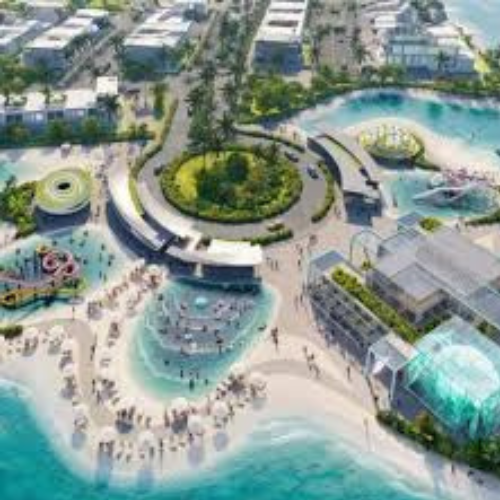
Modern Dubai has mastered the art of turning nature into lifestyle. Areas like Dubai Marina, Palm Jumeirah, Jumeirah Beach Residence (JBR), and Bluewaters Island are perfect examples. Each development blends the serenity of water with the sophistication of urban design.
- Dubai Marina: Known as the “Venice of the Middle East,” it’s a lively community filled with restaurants, cafes, yachts, and skyline views.
- Palm Jumeirah: A global icon where luxury villas and sea-view penthouses offer direct beach access and breathtaking ocean panoramas.
- JBR & Bluewaters Island: Perfect for families who crave beachfront living with a city vibe — a true mix of relaxation and energy.
These communities redefine modern living, turning waterfront properties into symbols of success and serenity.
💧 Emotional Connection: Why We Love Living Near Water
There’s something timeless about water. Psychologists say humans naturally feel calmer when near it — the sound of waves, the blue horizon, and the endless movement bring peace and reflection.
In Dubai’s busy lifestyle, sea-view apartments offer residents a way to pause and reconnect with themselves. Morning coffee on the balcony, watching the sunset from your living room, or simply hearing the soft crash of waves — these small experiences create emotional value that no money can buy.
For many, living by the sea is a reminder of balance — between ambition and peace, between motion and stillness.
🏠 The Investment Side: Why Waterfront Properties Hold Value
Beyond emotion, waterfront properties in Dubai are also smart investments. Demand for sea-view homes is consistently high, both for rentals and resale.
- High ROI: Premium locations like Palm Jumeirah and Dubai Marina yield excellent rental returns.
- Limited Supply: Waterfront plots are rare — making properties retain long-term value.
- Tourism Appeal: Short-term rentals in sea-view apartments attract travelers willing to pay extra for the view.
- Luxury Branding: Properties with oceanfront views automatically command prestige and global appeal.
Investing in a sea-view property is not just about owning a home; it’s about owning an experience — one that continues to appreciate in both emotional and financial worth.
🕊️ The Calmness Factor: Life Feels Different by the Water
In a city that moves fast, the ocean slows everything down.
Evening walks along the Marina promenade, family dinners with a sea breeze, or early-morning yoga by the balcony — these moments define Dubai Marina living.
People who choose waterfront homes often describe them as therapeutic. The natural light, open views, and rhythmic sound of waves create an atmosphere of mindfulness. It’s not just real estate — it’s emotional realignment.
🌴 Dogar’s Perspective (Zameen Travelers Angle Example)
At Zameen Travelers, we’ve seen how clients light up when they first step into a sea-view apartment. It’s a moment of realization — this is not just another property, it’s a personal escape.
From guiding families to peaceful Palm villas to helping professionals find Marina apartments that balance luxury and lifestyle, we believe the perfect home isn’t only where you live — it’s how you feel when you wake up each morning.
🏗️ Modern Designs That Celebrate the Sea
Architects in Dubai design waterfront homes with the sea in mind:
- Glass façades that capture natural light and panoramic views
- Open-plan layouts to enhance airflow and space
- Balconies and terraces as extensions of the living room
- Smart home features for comfort and sustainability
These design choices ensure that residents stay connected with nature while enjoying the best of modern convenience.
💬 Real Stories: What Residents Say
Many Dubai residents share similar sentiments:
“I moved to Dubai Marina five years ago. Every evening, watching the sunset reminds me why I worked so hard to get here.”
— Ahmed R., Dubai Marina Resident
“We bought a small apartment at JBR. The beach is our weekend escape — it feels like living in a permanent holiday.”
— Fatima & Omar, JBR Residents
These real emotions reflect how waterfront living transforms daily life.
🏁 Conclusion: Where Dreams Touch the Horizon
Dubai’s sea-view homes represent more than wealth — they embody emotion, ambition, and peace. From humble fishing huts to iconic waterfront towers, the journey reflects Dubai’s growth and its heart.
Whether you’re an investor, a dreamer, or someone looking for serenity, Dubai’s waterfront properties offer a lifestyle that connects the soul to the sea.
Focus Keywords:
 Dubai Property News
Minimalist or Majestic: Finding Your Home Style in Dubai’s Property Market
🌆 Introduction: A City of Styles and Stories
Dubai isn’t just a city — it’s a canvas of dreams painted in architecture.
From the golden domes of traditional villas to the glass facades of futuristic towers, every home here tells a story — of identity, ambition, and self-expression.
In this city, how you live says who you are.
For some, home means the simplicity of clean lines and open spaces — the calm of minimalism.
For others, it’s about grandeur — chandeliers, arches, and rooms that feel like royal palaces.
And for many, it’s somewhere in between — a fusion of East and West, heritage and innovation.
Whether you’re an expat finding your first apartment, a local family designing your dream villa, or an investor exploring Dubai’s housing diversity, understanding property styles in Dubai helps you connect not just with the market — but with yourself.
🏛️ The Language of Style: What Your Home Says About You
In Dubai, homes are more than physical spaces; they’re reflections of the soul.
- The minimalist apartment whispers clarity and purpose — a retreat from the city’s rush.
- The majestic Arabic villa sings of heritage, generosity, and family pride.
- The ultra-modern penthouse screams ambition — a statement of success and individuality.
Each architectural style carries an emotion, and each emotion finds its place in Dubai’s skyline.
Let’s explore these living styles — from serene simplicity to luxurious expression — and discover how to find the one that feels like you.
🧱 1. Minimalist Living: The Art of Less Is More
Where You’ll Find It:
Downtown Dubai, Business Bay, Jumeirah Village Circle, Dubai Hills, and City Walk.
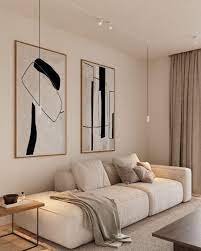
Minimalist homes in Dubai are built for the modern thinker — someone who values peace, order, and balance in life.
These are the homes where light flows freely, walls stay calm, and clutter disappears.
The Design Essence:
- Open floor plans
- Neutral colors — whites, beiges, soft grays
- Hidden storage and sleek surfaces
- Simple geometric lines
- Natural light and greenery integration
The Emotional Angle:
Minimalism speaks to those who find joy in simplicity.
In a city that moves at lightning speed, a minimalist home offers mental calm and emotional clarity.
It’s not about less wealth — it’s about more meaning.
Every corner has purpose, and every piece of furniture tells a story of restraint and taste.
Example:
Apartments in Downtown Dubai or Dubai Hills Estate often embody this style — sophisticated, airy, and timeless.
Think of it as quiet luxury — elegance that doesn’t need to shout.
🕌 2. Majestic Arabic Villas: A Tribute to Heritage and Grandeur
Where You’ll Find It:
Emirates Hills, Al Barari, Arabian Ranches, Nad Al Sheba, and Mirdif.
If minimalism is about calm, majestic Arabic villas are about celebration.
Dubai’s traditional homes borrow from Islamic, Moroccan, and Andalusian influences, blending intricate design with deep cultural meaning.
They reflect family, faith, and hospitality — the three pillars of Emirati home life.
The Design Essence:
- Ornate arches and domes
- Majlis (guest sitting rooms)
- Courtyards and fountains
- Carved wooden doors and mashrabiya screens
- Warm color palettes — gold, terracotta, turquoise
- Luxurious fabrics and chandeliers
The Emotional Angle:
These homes are not built just for living — they’re built for hosting, honoring, and remembering.
The majlis becomes the social heart; the courtyard becomes the storytelling stage.
Arabic villas remind residents of who they are and where they came from.
They connect generations and celebrate values that have shaped Dubai’s soul for centuries.
Example:
Villas in Al Barari or Nad Al Sheba reflect this balance beautifully — modern comfort infused with Emirati culture.
They say: “Yes, I live in the future — but I never forget my past.”
🌐 3. Futuristic Penthouses: The Skyline Dream
Where You’ll Find It:
Dubai Marina, Palm Jumeirah, Business Bay, Bluewaters Island, and Downtown Dubai.
Welcome to the new face of Dubai living — the world of glass, technology, and limitless imagination.
These are homes designed for visionaries, entrepreneurs, and global citizens.
The kind who start their mornings above the clouds and end their evenings overlooking the city lights.
The Design Essence:
- Smart home automation
- Floor-to-ceiling glass walls
- Minimalist furniture with metallic finishes
- Panoramic balconies and rooftop pools
- Art-inspired interiors
The Emotional Angle:
Living in a Dubai penthouse is living inside a dream — it’s about freedom, control, and achievement.
It’s for those who thrive on energy and innovation.
But there’s also solitude here — an elevated silence that gives you space to think, plan, and reflect.
Example:
Residences at The Address Downtown, Cayan Tower, or Palm Jumeirah’s Atlantis The Royal perfectly capture this futuristic essence — luxury powered by imagination.
4. Contemporary Family Homes: The Balance Between Comfort and Style
Where You’ll Find It:
Arabian Ranches, Jumeirah Golf Estates, Dubai Hills, and Mudon.
Contemporary homes in Dubai merge functionality with warmth.
They’re designed for families who want aesthetic beauty without sacrificing comfort.
The Design Essence:
- Open-plan layouts for connection
- Neutral tones with bold accent colors
- Practical kitchens and multipurpose rooms
- Indoor-outdoor harmony
- Eco-conscious materials and smart lighting
The Emotional Angle:
This is where everyday luxury meets real life.
A home for laughter, gatherings, and simple joys — yet still visually stunning.
For many Dubai families, this balance is the sweet spot — modern enough to impress, traditional enough to feel like home.
🌇 5. Coastal and Bohemian Styles: The Relaxed Spirit of Dubai
Where You’ll Find It:
Jumeirah, Palm Jumeirah, Jumeirah Beach Residence (JBR), and La Mer.
Dubai’s love affair with the ocean is centuries old.
Fishermen once built huts by the coast — now, residents design beachfront homes that capture the same freedom and serenity.
The Design Essence:
- Light wood and white interiors
- Flowing fabrics and sea-inspired palettes
- Open terraces, balconies, and natural ventilation
- Minimal partitions — promoting air and openness
The Emotional Angle:
This style attracts those who value freedom, creativity, and peace.
It’s about living simply but beautifully — where the home feels like a breath of fresh air after a long day in the city.
Example:
Apartments in JBR or villas on Palm Jumeirah often embrace this breezy, resort-style aesthetic.
🖼️ How to Discover Your Home Style
Finding your perfect home in Dubai isn’t just about price or location — it’s about emotion and identity.
Here’s how to identify what truly fits your personality:
| Personality Type | Ideal Dubai Home Style | Why It Fits |
|---|---|---|
| The Visionary | Futuristic Penthouse | You thrive in innovation and skyline views. |
| The Traditionalist | Arabic Villa | You value heritage, family, and culture. |
| The Minimalist | Modern Apartment | You seek calm, clarity, and clean aesthetics. |
| The Family-First | Contemporary Villa | You want warmth, connection, and comfort. |
| The Free Spirit | Coastal Home | You love nature, simplicity, and creativity. |
🧭 The Emotional Connection: Home as Self-Expression
In Dubai’s melting pot of cultures, your home becomes an extension of who you are.
It’s where your identity finds form — whether that’s in:
- The texture of your walls,
- The rhythm of your rooms, or
- The light that flows through your morning window.
Home design in Dubai has moved beyond trends — it’s about personal storytelling.
A minimalist apartment can express peace after chaos.
A grand villa can reflect gratitude for success.
A beachfront home can symbolize freedom after struggle.
Every style is a mirror — and every choice tells a chapter of your journey.
🏗️ How Developers Cater to Every Style in Dubai
One of the reasons Dubai’s property market is so dynamic is that developers design for every personality.
- Emaar Properties focuses on elegant minimalism and family functionality.
- DAMAC brings grandeur, luxury, and visual drama.
- Nakheel celebrates coastal living through island and waterfront projects.
- Sobha Realty merges technology with timeless design.
Whether you want a peaceful suburban home or a high-tech urban nest, Dubai’s real estate offers a lifestyle for every story.
🏡 Investing in a Home That Reflects You
Choosing a home style that fits your heart also fits your investment goals.
When you feel emotionally connected to a property, you’re more likely to maintain it, personalize it, and watch its value grow.
Plus, Dubai’s property diversity means there’s always a market for every style:
- Minimalist apartments attract professionals and digital nomads.
- Arabic villas appeal to families and cultural investors.
- Futuristic penthouses draw international buyers seeking exclusivity.
So, whether you buy for living or investing, style and emotion work hand in hand.
Conclusion: Where Design Meets Identity
In Dubai, architecture is more than construction — it’s conversation.
It’s how the city speaks to your soul.
You don’t just pick a home; you pick a reflection of yourself.
Minimalist or majestic, urban or coastal — what matters most is how it makes you feel.
Because at the end of the day, the most beautiful homes aren’t the biggest or the fanciest —
they’re the ones that whisper: “You belong here.”
Suggested Image Alt Texts
- “Minimalist apartment interior in Downtown Dubai”
- “Traditional Arabic villa with ornate arches and courtyard”
- “Luxury Dubai penthouse skyline view”
- “Modern family home in Arabian Ranches”
- “Coastal bohemian interior design UAE”
 Dubai Property News
The Friday Gathering: How Dubai Homes Keep Family Traditions Alive
Introduction: A Tradition That Defines Togetherness
Friday — Jumu’ah — isn’t just another day in Dubai.
It’s a rhythm that beats deep within Emirati culture.
For generations, Friday has been the day of rest, reflection, and reunion.
From early morning prayers to long, fragrant lunches shared around one table, it’s a day when life slows down — and hearts reconnect.
In the fast-paced skyline of Dubai, where business meetings and skyscrapers dominate the week, Friday gatherings remind families of what truly matters: faith, love, and togetherness.
And interestingly, Dubai’s homes are built around this idea. Even in the city’s most luxurious communities, you’ll find spaces designed for family unity — open dining areas, prayer rooms, courtyards, and kitchens big enough for three generations to cook together.
The Spiritual Core of the Emirati Week
Friday holds deep spiritual meaning in Islam.
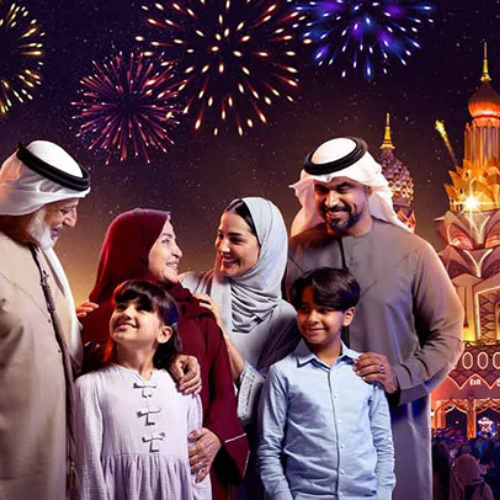
It’s the day when families come together for Jumu’ah prayers, followed by a shared meal — often the most important one of the week.
This tradition is not just about religion; it’s about reconnection.
A Typical Emirati Friday Looks Like This:
- The men of the house go to the mosque for Jumu’ah.
- Women and elders prepare food — traditional dishes like machboos, harees, or grilled meats fill the air with aroma.
- By noon, everyone gathers around a long table or carpeted floor to eat, laugh, and share stories.
- The rest of the day is spent visiting relatives, relaxing, or hosting friends in the majlis.
Even in the heart of modern Dubai, where luxury cars and high-rise apartments dominate the scene, this Friday rhythm remains unshaken.
Architecture That Encourages Togetherness
If you explore Dubai’s villa communities — like Al Barari, Arabian Ranches, Mirdif, or Nad Al Sheba — you’ll notice something special:
These homes are designed to bring people together.
How Dubai Homes Reflect Family Traditions:
- Open Floor Plans: Modern villas often feature open kitchens and living areas that flow into one another — perfect for large family meals and casual gatherings.
- Courtyards and Gardens: Many homes include shaded courtyards or outdoor majlis areas, echoing traditional Emirati homes where families once sat under the stars.
- Prayer Rooms: Even in compact apartments, small prayer areas are integrated into design — a quiet space for reflection before or after Jumu’ah.
- Large Dining Rooms: Long tables, spacious kitchens, and extra seating are intentional — they keep the tradition of shared meals alive.
These elements aren’t just design choices. They’re cultural continuations — architectural ways of saying, “Family comes first.”
Modern Living, Ancient Values
Dubai is one of the most cosmopolitan cities in the world — home to more than 200 nationalities.
Yet, amidst this diversity, Emirati families remain deeply rooted in tradition.
Their homes beautifully reflect this balance: luxury intertwined with legacy.
For example:
- A villa in Dubai Hills Estate may have smart lighting and temperature control — yet still keeps a majlis for Friday visitors.
- An apartment in Downtown Dubai might feature sleek minimalism — yet include a designated area for prayer mats and family dinners.
This shows how faith and family quietly shape modern design, no matter how futuristic the exterior becomes.
Dubai’s architects increasingly design homes that reflect this — combining innovation with intimacy.
The Friday Lunch: A Feast of Connection
If there’s one thing that defines Friday in Dubai homes, it’s the lunch table.
It’s not just a meal — it’s a ritual of love and continuity.
Grandparents share stories of old Dubai; children laugh and play; parents breathe in a moment of calm.
The Menu Often Includes:
- Machboos (spiced rice with lamb or chicken)
- Harees (slow-cooked wheat and meat dish)
- Saloona (traditional stew)
- Dates, laban, and Arabic coffee
Some families gather on the floor, in traditional style. Others dine around polished tables with elegant place settings.
But the feeling remains the same — gratitude, unity, and peace.
Even expatriate families living in Dubai often embrace this tradition — transforming Fridays into a day of family brunches, home gatherings, or community visits.
It’s proof that the spirit of Jumu’ah transcends culture — it’s about human connection.
Family, Faith, and the Design of Space
Homes in Dubai are not only built for comfort — they are built with spiritual architecture in mind.
The layout, lighting, and flow of space often reflect an understanding of family rhythm.
Common Cultural Home Features in the UAE:
- Separate guest entrances to maintain privacy.
- Indoor-outdoor flow for hosting large family events.
- Multi-generation bedrooms, allowing grandparents and grandchildren to live under one roof.
- Central family areas — often the largest part of the home.
Developers like Emaar, Nakheel, and DAMAC have embraced this in modern communities — offering villas that feel both contemporary and culturally rooted.
Even in high-rise apartments, you’ll find spaces that promote togetherness: shared dining zones, community prayer rooms, and family lounges.
Emotional Connection: Home as a Spiritual Anchor
Every Friday gathering in Dubai is more than an event — it’s an emotional ritual that ties families to their roots.
In a rapidly changing world, these gatherings act as a weekly reset button — where people put away their phones, reconnect with loved ones, and find peace.
For many Emiratis, the home is a sanctuary — not just physically, but spiritually.
It’s where the week begins anew, blessings are shared, and bonds are renewed.
The emotional meaning of these spaces can’t be overstated:
They remind every family member — young or old — that no matter how fast Dubai grows, love and faith will always be at its foundation.
How Developers Are Adapting to Modern Family Needs
As Dubai grows into a global hub, real estate developers have started weaving traditional concepts into modern projects.
Here’s How:
- Community Mosques and Parks: Almost every villa cluster includes a mosque and green space — reinforcing the Friday rhythm of prayer and gathering.
- Shared Courtyards: Inspired by old Emirati homes, many developments have communal seating areas for evening get-togethers.
- Flexible Living Spaces: Open layouts can shift from daily use to family hosting on Fridays.
- Focus on Multi-Generational Living: Villas with multiple kitchens or private sections allow extended families to live comfortably together.
This blend of tradition and urban comfort defines the new Dubai lifestyle — one where architecture serves emotion, not just aesthetics.
Friday Nights: A Celebration of Connection
While the day’s prayers and meals set the tone, Friday evenings in Dubai are filled with light and laughter.
Families stroll through City Walk, relax by Jumeirah Beach, or simply gather in their gardens under soft string lights.
It’s not unusual to see cousins playing, elders chatting over tea, and music softly playing in the background.
Even modern luxury hasn’t erased this — it’s only redefined it.
From rooftop barbecues in Dubai Marina apartments to majlis dinners in Al Khawaneej villas, the essence remains the same: togetherness.
The Universal Appeal of Family Living in Dubai
One of the most beautiful aspects of life in Dubai is that every culture finds a way to celebrate family here.
Expats from India, Pakistan, the Philippines, the UK, and beyond — all adapt their own traditions to the Dubai rhythm of Friday.
Brunches at home, community gatherings, beach picnics — they all echo the same emotion:
Family isn’t just part of life — it is life.
This cultural inclusiveness is what makes Dubai’s property market emotionally rich.
People aren’t just buying homes — they’re buying a lifestyle that supports connection, faith, and belonging.
Designing the Perfect Home for Family Gatherings
If you’re looking to design or buy a home in Dubai that keeps family at its heart, here’s what to consider:
- Open Dining Spaces: Encourage family meals and conversation.
- Outdoor Majlis or Garden Seating: Perfect for winter gatherings and late-night tea.
- Prayer Area: A quiet, respectful corner adds spiritual harmony.
- Guest Room or Suite: To host relatives during weekends or Eid.
- Natural Light and Flow: Creates warmth and positivity throughout the home.
Remember — a beautiful home doesn’t just impress; it embraces.
Conclusion: Where Modern Living Meets Meaning
In the golden light of a Dubai Friday, skyscrapers fade into the background — and what shines brightest are families sitting together, sharing stories, food, and faith.
The city’s evolution may be rapid, but its heart beats slowly, steadily — in rhythm with tradition.
Dubai’s homes, whether grand villas or sky-high apartments, are not just built of glass and steel.
They’re built of something far stronger — the spirit of togetherness.
At Zameen Travelers, we celebrate that spirit — the blend of faith, family, and fine design that makes Dubai not just a place to live, but a place to belong.
Because the best homes don’t just give you space — they give you a reason to gather.
Suggested Image Alt Texts
- “Emirati family enjoying Friday lunch in Dubai home”
- “Modern Dubai villa with open family dining space”
- “Courtyard majlis setup for family gathering in UAE”
- “Family prayer room in modern Emirati villa”
 Dubai Property News
Why Majlis Still Matters: The Heart of Emirati Homes in Modern Dubai
Introduction: A Space That Speaks Hospitality
Step inside almost any traditional Emirati home, and you’ll find a room that feels different from the rest — spacious, welcoming, beautifully arranged. That room is the majlis — the true heart of the house.
The word majlis comes from the Arabic root “jalasa,” meaning “to sit.”
But it’s not just a place to sit. It’s where guests are welcomed, stories are shared, and respect is shown.
In a world that’s getting faster and more digital every day, the majlis reminds us of something timeless — the art of connection and community.
Even as Dubai’s skyline rises with glass towers and smart homes, the majlis continues to thrive — a sign that tradition still shapes how people live and build their spaces.
What Is a Majlis?
Traditionally, the majlis is a guest sitting room found in Emirati homes. It’s usually located near the entrance, separate from private family areas, so guests can be received comfortably.
Its purpose goes beyond hospitality — it represents honor, respect, and social identity.
In traditional Emirati homes, the majlis:
- Welcomed guests for coffee, dates, and conversation.
- Served as a meeting space for family discussions and community matters.
- Reflected the family’s values through its design, decor, and warmth.
You can think of it as a blend between a living room and a council chamber — a space both personal and communal.
Even in royal palaces and government buildings, the majlis remains an essential feature — a place where people gather to exchange ideas and maintain relationships.
The Architecture of Hospitality
If you look at old Emirati homes — especially in areas like Al Fahidi Historic District (Al Bastakiya) — you’ll see how architecture and culture go hand in hand.
The majlis was usually built:
- Facing the street, so visitors could enter without disturbing private areas.
- Decorated with cushions, carpets, and wooden ceilings, symbolizing warmth and welcome.
- With high ceilings and minimal furniture, designed for open conversation and comfort.
It wasn’t about luxury — it was about creating space for togetherness.
This is why even today, architects in Dubai often include a modern version of the majlis in new villas and apartments. The design has evolved, but the emotion behind it hasn’t changed.
Modern Dubai Homes: The Majlis Reimagined
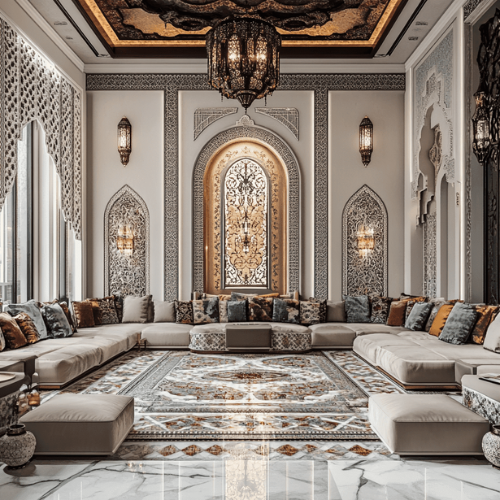
Walk into a luxury villa in Dubai Hills Estate, Arabian Ranches, or Mirdif, and you’ll likely see a sleek, elegant sitting area with soft lighting, art, and large sofas.
That’s the modern majlis — a fusion of tradition and style.
Here’s how it’s evolved:
- Design & Layout – Contemporary majlis rooms now feature open layouts that blend with dining or living areas, but still maintain a distinct, welcoming vibe.
- Decor – Modern homes use neutral palettes, textured fabrics, and Arabic-inspired art to create a balance between comfort and heritage.
- Technology – Integrated lighting, smart controls, and digital entertainment systems bring the space into the 21st century — without losing its traditional charm.
- Purpose – It’s not just for formal guests anymore. Families use it for small gatherings, Eid celebrations, or casual evening talks over tea.
In short, the majlis has adapted without disappearing.
Even in high-rise apartments, many Dubai residents dedicate a space — sometimes just a cozy corner — that serves as their own version of a majlis.
🤍 The Emotional Core of Emirati Homes
At its heart, the majlis represents something deeply emotional — the value of togetherness.
In the age of fast food, fast meetings, and faster schedules, the majlis encourages people to slow down. To sit, to talk, and to truly connect.
When you walk into a majlis, it’s not just about the décor — it’s about the feeling of belonging.
The majlis teaches us three timeless lessons:
- Respect: Guests are honored with comfort and hospitality.
- Patience: Conversations are unhurried, built around coffee, stories, and smiles.
- Community: Whether family, friends, or neighbors — everyone belongs.
This emotional connection is why modern developers in Dubai often highlight the presence of a majlis in their property layouts — because they know it’s not just a room.
It’s a symbol of cultural identity.
🕌 The Majlis in Contemporary Architecture
Architects and interior designers across Dubai are now blending traditional majlis design with modern aesthetics.
Common design trends include:
- Arabic patterns and calligraphy blended into modern furniture.
- Majlis-inspired lounges in apartment lobbies and penthouses.
- Outdoor majlis concepts — shaded garden areas where families gather during winter evenings.
- Neutral colors, geometric carpets, and subtle lighting to create warmth without extravagance.
This design approach reflects Dubai’s broader philosophy — modern luxury rooted in cultural heritage.
Whether it’s an Emaar villa or a DAMAC penthouse, you’ll find a touch of majlis hospitality in every well-designed home.
The Majlis Beyond Homes: A National Symbol
The concept of the majlis is so important that it extends beyond private homes.
You’ll find it in government offices, cultural centers, and even corporate meeting rooms — designed not just for formality, but for open dialogue and equality.
Even Sheikh Mohammed bin Rashid Al Maktoum, the Ruler of Dubai, regularly holds majlis-style gatherings with citizens and leaders — reinforcing its cultural significance.
These meetings show that the majlis isn’t just architecture; it’s a living tradition that defines how Emiratis lead and connect.
Why the Majlis Still Matters in Modern Dubai
Dubai has become one of the most global cities in the world — with over 200 nationalities calling it home.
And yet, the majlis remains a unifying symbol — a reminder of what hospitality truly means.
It matters because:
- It preserves Emirati values in an increasingly international environment.
- It strengthens family and community bonds in modern urban life.
- It offers a sense of identity that ties the future to the past.
Even for expatriates, embracing the idea of a majlis — dedicating a space for guests, relaxation, and connection — is a way of respecting the spirit of Dubai living.
Tips for Creating Your Own Majlis at Home
You don’t need a mansion to enjoy the essence of a majlis. Whether you live in a villa or apartment, here’s how you can design your own modern version:
- Choose the Right Space: Near the entrance or living area, where guests feel comfortable.
- Keep It Open and Inviting: Avoid clutter — focus on spacious seating and warmth.
- Use Soft Lighting: Lamps or indirect light create a calm, welcoming glow.
- Add Arabic Touches: Cushions, calligraphy, and traditional rugs connect the space to its roots.
- Offer Simple Hospitality: A coffee set, dates, or tea corner can make your guests feel at home.
It’s not about how big or expensive your space is — it’s about how much heart you put into it.
From Past to Present: A Symbol That Endures
The majlis has seen Dubai through every stage — from humble wind-tower homes to luxurious modern villas.
It has adapted, evolved, and found new expressions — but its spirit has never faded.
It remains a bridge between generations, a space that continues to hold family, friendship, and faith together.
And that’s what makes the majlis timeless.
Conclusion: The Soul of Every Home
In a city that’s constantly building higher, faster, and smarter, the majlis reminds us to stay grounded — to value people over things, and conversations over screens.
Every time someone in Dubai welcomes a guest with Arabic coffee in their majlis, they’re keeping centuries of tradition alive.
At Zameen Travelers, we celebrate this beautiful balance — where modern homes carry ancient values.
Whether you’re looking for a traditional villa or a modern apartment with cultural charm, remember:
The best homes don’t just have space. They have soul.
Call to Action
Looking for a home that blends tradition with modern design?
Visit ZameenTravelers.com to explore Dubai’s most authentic villas and apartments — where every home welcomes you like family.
Suggested Image Alt Texts
- “Traditional Emirati majlis with Arabic carpets and cushions in Dubai villa”
- “Modern luxury majlis in Dubai Hills Estate with Arabic décor”
- “Outdoor majlis setup in contemporary Emirati home”
- “Family gathering in majlis during Eid in Dubai”
