
 Dubai Property News
Why Majlis Still Matters: The Heart of Emirati Homes in Modern Dubai
Introduction: A Space That Speaks Hospitality
Step inside almost any traditional Emirati home, and you’ll find a room that feels different from the rest — spacious, welcoming, beautifully arranged. That room is the majlis — the true heart of the house.
The word majlis comes from the Arabic root “jalasa,” meaning “to sit.”
But it’s not just a place to sit. It’s where guests are welcomed, stories are shared, and respect is shown.
In a world that’s getting faster and more digital every day, the majlis reminds us of something timeless — the art of connection and community.
Even as Dubai’s skyline rises with glass towers and smart homes, the majlis continues to thrive — a sign that tradition still shapes how people live and build their spaces.
What Is a Majlis?
Traditionally, the majlis is a guest sitting room found in Emirati homes. It’s usually located near the entrance, separate from private family areas, so guests can be received comfortably.
Its purpose goes beyond hospitality — it represents honor, respect, and social identity.
In traditional Emirati homes, the majlis:
- Welcomed guests for coffee, dates, and conversation.
- Served as a meeting space for family discussions and community matters.
- Reflected the family’s values through its design, decor, and warmth.
You can think of it as a blend between a living room and a council chamber — a space both personal and communal.
Even in royal palaces and government buildings, the majlis remains an essential feature — a place where people gather to exchange ideas and maintain relationships.
The Architecture of Hospitality
If you look at old Emirati homes — especially in areas like Al Fahidi Historic District (Al Bastakiya) — you’ll see how architecture and culture go hand in hand.
The majlis was usually built:
- Facing the street, so visitors could enter without disturbing private areas.
- Decorated with cushions, carpets, and wooden ceilings, symbolizing warmth and welcome.
- With high ceilings and minimal furniture, designed for open conversation and comfort.
It wasn’t about luxury — it was about creating space for togetherness.
This is why even today, architects in Dubai often include a modern version of the majlis in new villas and apartments. The design has evolved, but the emotion behind it hasn’t changed.
Modern Dubai Homes: The Majlis Reimagined
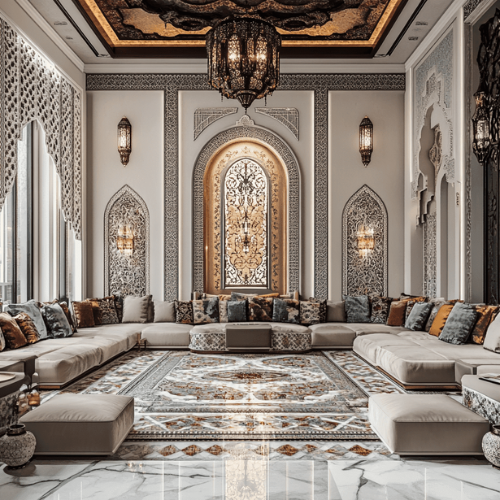
Walk into a luxury villa in Dubai Hills Estate, Arabian Ranches, or Mirdif, and you’ll likely see a sleek, elegant sitting area with soft lighting, art, and large sofas.
That’s the modern majlis — a fusion of tradition and style.
Here’s how it’s evolved:
- Design & Layout – Contemporary majlis rooms now feature open layouts that blend with dining or living areas, but still maintain a distinct, welcoming vibe.
- Decor – Modern homes use neutral palettes, textured fabrics, and Arabic-inspired art to create a balance between comfort and heritage.
- Technology – Integrated lighting, smart controls, and digital entertainment systems bring the space into the 21st century — without losing its traditional charm.
- Purpose – It’s not just for formal guests anymore. Families use it for small gatherings, Eid celebrations, or casual evening talks over tea.
In short, the majlis has adapted without disappearing.
Even in high-rise apartments, many Dubai residents dedicate a space — sometimes just a cozy corner — that serves as their own version of a majlis.
🤍 The Emotional Core of Emirati Homes
At its heart, the majlis represents something deeply emotional — the value of togetherness.
In the age of fast food, fast meetings, and faster schedules, the majlis encourages people to slow down. To sit, to talk, and to truly connect.
When you walk into a majlis, it’s not just about the décor — it’s about the feeling of belonging.
The majlis teaches us three timeless lessons:
- Respect: Guests are honored with comfort and hospitality.
- Patience: Conversations are unhurried, built around coffee, stories, and smiles.
- Community: Whether family, friends, or neighbors — everyone belongs.
This emotional connection is why modern developers in Dubai often highlight the presence of a majlis in their property layouts — because they know it’s not just a room.
It’s a symbol of cultural identity.
🕌 The Majlis in Contemporary Architecture
Architects and interior designers across Dubai are now blending traditional majlis design with modern aesthetics.
Common design trends include:
- Arabic patterns and calligraphy blended into modern furniture.
- Majlis-inspired lounges in apartment lobbies and penthouses.
- Outdoor majlis concepts — shaded garden areas where families gather during winter evenings.
- Neutral colors, geometric carpets, and subtle lighting to create warmth without extravagance.
This design approach reflects Dubai’s broader philosophy — modern luxury rooted in cultural heritage.
Whether it’s an Emaar villa or a DAMAC penthouse, you’ll find a touch of majlis hospitality in every well-designed home.
The Majlis Beyond Homes: A National Symbol
The concept of the majlis is so important that it extends beyond private homes.
You’ll find it in government offices, cultural centers, and even corporate meeting rooms — designed not just for formality, but for open dialogue and equality.
Even Sheikh Mohammed bin Rashid Al Maktoum, the Ruler of Dubai, regularly holds majlis-style gatherings with citizens and leaders — reinforcing its cultural significance.
These meetings show that the majlis isn’t just architecture; it’s a living tradition that defines how Emiratis lead and connect.
Why the Majlis Still Matters in Modern Dubai
Dubai has become one of the most global cities in the world — with over 200 nationalities calling it home.
And yet, the majlis remains a unifying symbol — a reminder of what hospitality truly means.
It matters because:
- It preserves Emirati values in an increasingly international environment.
- It strengthens family and community bonds in modern urban life.
- It offers a sense of identity that ties the future to the past.
Even for expatriates, embracing the idea of a majlis — dedicating a space for guests, relaxation, and connection — is a way of respecting the spirit of Dubai living.
Tips for Creating Your Own Majlis at Home
You don’t need a mansion to enjoy the essence of a majlis. Whether you live in a villa or apartment, here’s how you can design your own modern version:
- Choose the Right Space: Near the entrance or living area, where guests feel comfortable.
- Keep It Open and Inviting: Avoid clutter — focus on spacious seating and warmth.
- Use Soft Lighting: Lamps or indirect light create a calm, welcoming glow.
- Add Arabic Touches: Cushions, calligraphy, and traditional rugs connect the space to its roots.
- Offer Simple Hospitality: A coffee set, dates, or tea corner can make your guests feel at home.
It’s not about how big or expensive your space is — it’s about how much heart you put into it.
From Past to Present: A Symbol That Endures
The majlis has seen Dubai through every stage — from humble wind-tower homes to luxurious modern villas.
It has adapted, evolved, and found new expressions — but its spirit has never faded.
It remains a bridge between generations, a space that continues to hold family, friendship, and faith together.
And that’s what makes the majlis timeless.
Conclusion: The Soul of Every Home
In a city that’s constantly building higher, faster, and smarter, the majlis reminds us to stay grounded — to value people over things, and conversations over screens.
Every time someone in Dubai welcomes a guest with Arabic coffee in their majlis, they’re keeping centuries of tradition alive.
At Zameen Travelers, we celebrate this beautiful balance — where modern homes carry ancient values.
Whether you’re looking for a traditional villa or a modern apartment with cultural charm, remember:
The best homes don’t just have space. They have soul.
Call to Action
Looking for a home that blends tradition with modern design?
Visit ZameenTravelers.com to explore Dubai’s most authentic villas and apartments — where every home welcomes you like family.
Suggested Image Alt Texts
- “Traditional Emirati majlis with Arabic carpets and cushions in Dubai villa”
- “Modern luxury majlis in Dubai Hills Estate with Arabic décor”
- “Outdoor majlis setup in contemporary Emirati home”
- “Family gathering in majlis during Eid in Dubai”
 Dubai Property News
From Desert Tents to Luxury Towers: The Evolution of Dubai Living
🌅 Introduction: From Sand to Skyline
Dubai — a city that rose from golden dunes and turned into a skyline of glass and light. When we look at its skyscrapers today, it’s easy to forget that only decades ago, life here was built around simplicity, community, and connection to the desert.
From traditional Bedouin tents to wind-tower houses and now luxury penthouses, Dubai’s journey isn’t just about architecture. It’s a story of vision, resilience, and respect for heritage.
At Zameen Travelers, we believe every home carries a story — and in Dubai, that story is deeply tied to culture, climate, and community.
Let’s take a walk through time to see how Dubai’s homes evolved — and what that means for property buyers and investors today.
🏜️ The Roots: Life in the Desert
Before Dubai became a global hub, it was a trading village by the coast. The people were pearl divers, fishermen, and traders who built their lives around the rhythm of the desert and the sea.
Homes back then were functional, minimal, and community-focused. Each structure was designed for survival, privacy, and harmony with nature.
🌾 The Traditional Bedouin Tent
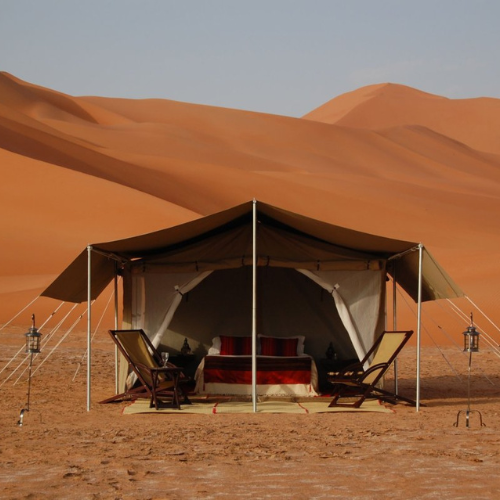
- Made from goat hair, these tents (known as Bait al Sha’ar) could withstand heat and sandstorms.
- They were portable, reflecting the nomadic lifestyle of the Bedouins.
- Inside, families gathered, shared meals, told stories, and welcomed travelers.
The tent wasn’t just shelter — it symbolized hospitality and simplicity, values that still define Emirati culture today.
🌬️ The Wind-Tower House (Barjeel)
As Dubai grew into a small town, homes became more permanent.
In the Al Fahidi Historical District (Al Bastakiya), you can still see these beautiful coral-stone houses.
Their key feature? The barjeel — a tall, open structure that caught the wind and directed it down into the rooms.
It was natural air-conditioning, centuries before electricity became common.
Even in today’s modern villas, you’ll find elements inspired by these houses — arches, courtyards, mashrabiya screens, and wind towers — a nod to their heritage.
🏗️ The 1970s–1990s: A City Begins to Build
When oil was discovered in the 1960s, Dubai began to transform rapidly. The desert started to see roads, electricity, schools, and new communities.
By the 1970s and 80s:
- Houses were built with concrete and modern materials.
- Government housing projects started for Emirati families.
- Expat communities grew, bringing new architectural styles and design preferences.
However, even with modernization, one thing never changed — the sense of family and community.
The majlis (guest sitting area) remained the heart of every Emirati home. It was where guests were welcomed, stories shared, and traditions continued.
This balance — between progress and tradition — became the foundation of Dubai’s housing identity.
🏙️ The 2000s: Freehold Boom & Global Attention
In the early 2000s, a major policy change transformed Dubai’s real estate forever — foreigners could now own property in designated areas.
This single step opened the floodgates to international investment.
Suddenly, Dubai’s skyline began to rise — and not just rise, but reach for the stars.
Developments like:
- Dubai Marina
- Palm Jumeirah
- Downtown Dubai
- Business Bay
These weren’t just neighborhoods — they were lifestyle destinations.
Each project came with its own story: a mix of modern architecture, world-class amenities, and global appeal.
Luxury apartments, beachfront villas, and skyscrapers started defining what it meant to “live in Dubai.”
The traditional elements didn’t disappear; they evolved.
Designers began blending Arabic heritage with modern luxury — curved arches, earthy colors, courtyards, and ornate patterns, all inside futuristic buildings.
🏢 The Skyscraper Era: Ambition in Steel and Glass
No story about Dubai’s property evolution is complete without mentioning Burj Khalifa — the tallest building in the world.
Completed in 2010, it became a symbol of ambition — a message that Dubai doesn’t just follow global trends; it sets them.
But Burj Khalifa wasn’t alone.
Soon, luxury towers lined Sheikh Zayed Road, Dubai Marina, and the Creek.
Developers began offering:
- Smart home systems
- Concierge and hotel-style services
- Private gyms, pools, and sky decks
- Branded residences (like Armani, Address, and Emaar collaborations)
These buildings changed the meaning of homeownership in Dubai.
Owning a home here became more than an investment — it became a status symbol, a lifestyle, and in many cases, a dream fulfilled.
🌿 The Modern Era: Smart, Sustainable, and Human-Centered
Fast forward to today — Dubai continues to evolve, but now the focus is on sustainability, technology, and well-being.
Modern buyers look for homes that are:
- Energy-efficient and eco-friendly
- Smart-home integrated (voice commands, remote controls, security systems)
- Community-based (with parks, schools, shopping, and workspaces all nearby)
Developments like:
- Dubai Hills Estate
- Arabian Ranches
- Creek Harbour
- Tilal Al Ghaf
…are designed around lifestyle, not just luxury.
Dubai’s property market now blends comfort, connectivity, and conscience — homes built to last and enhance living quality.
💛 The Emotional Side: Homes That Tell a Story
Behind every villa, apartment, or tower in Dubai, there’s an emotional connection.
For some, it’s the pride of owning their first home in a foreign city.
For others, it’s the joy of building a family legacy that can be passed down through generations.
Even developers understand this — which is why every major real estate project in Dubai is built with a story in mind.
Whether it’s the heritage-inspired villas in Mirdif or the futuristic homes in Downtown Dubai, the goal is to make residents feel connected — to their space, their city, and their dreams.
As we say at Zameen Travelers,
“A home isn’t just built with bricks and glass — it’s built with purpose, pride, and emotion.”
📈 What Buyers and Sellers Can Learn from Dubai’s Evolution
If you’re a buyer, understanding this journey helps you see:
- Why some properties hold timeless appeal (like heritage villas).
- Why luxury towers attract global investors.
- How location, community, and lifestyle shape long-term value.
If you’re a seller, the evolution shows:
- How to highlight your property’s unique story (heritage, modern design, view).
- Why updating features (smart systems, green touches) adds real value.
- How to position your home within Dubai’s modern lifestyle narrative.
In short — knowing where Dubai’s real estate came from helps you understand where it’s heading.
🕰️ Timeline of Dubai’s Housing Evolution
| Era | Style | Key Features | Example |
|---|---|---|---|
| Pre-1960 | Desert tents, wind-tower homes | Natural cooling, privacy, simplicity | Al Fahidi District |
| 1970s–1990s | Concrete homes, villas | Modern materials, family spaces | Jumeirah Villas |
| 2000–2010 | High-rise luxury | Freehold boom, international appeal | Palm Jumeirah, Marina |
| 2010–2020 | Smart, branded residences | Technology, lifestyle focus | Downtown, Business Bay |
| 2020–Now | Sustainable, community-based | Eco-friendly, hybrid living | Dubai Hills, Tilal Al Ghaf |
🌍 Pride in Heritage, Vision for the Future
Dubai’s property story mirrors its people — rooted in tradition, yet always reaching higher.
Even as the skyline grows taller, the spirit of hospitality, community, and innovation remains unchanged.
Every villa, apartment, and tower is a continuation of a legacy that began with a simple tent under the desert sky.
And that’s what makes Dubai’s real estate so unique — it’s not just about buildings.
It’s about belonging.
🏡 Final Thoughts: Your Chapter in Dubai’s Living Story
Whether you’re a new buyer, an investor, or a lifelong resident, you’re part of this journey.
The home you choose adds another layer to Dubai’s ever-evolving story — one that celebrates both where it came from and where it’s going.
At Zameen Travelers, we don’t just talk about property; we tell its story.
Explore homes that reflect your lifestyle, values, and dreams — because in Dubai, every home is a part of history.
🔗 Call to Action
Looking for a home that blends heritage with modern living?
Visit ZameenTravelers.com to explore Dubai’s most authentic properties — where tradition meets luxury, and every home tells a story.
